
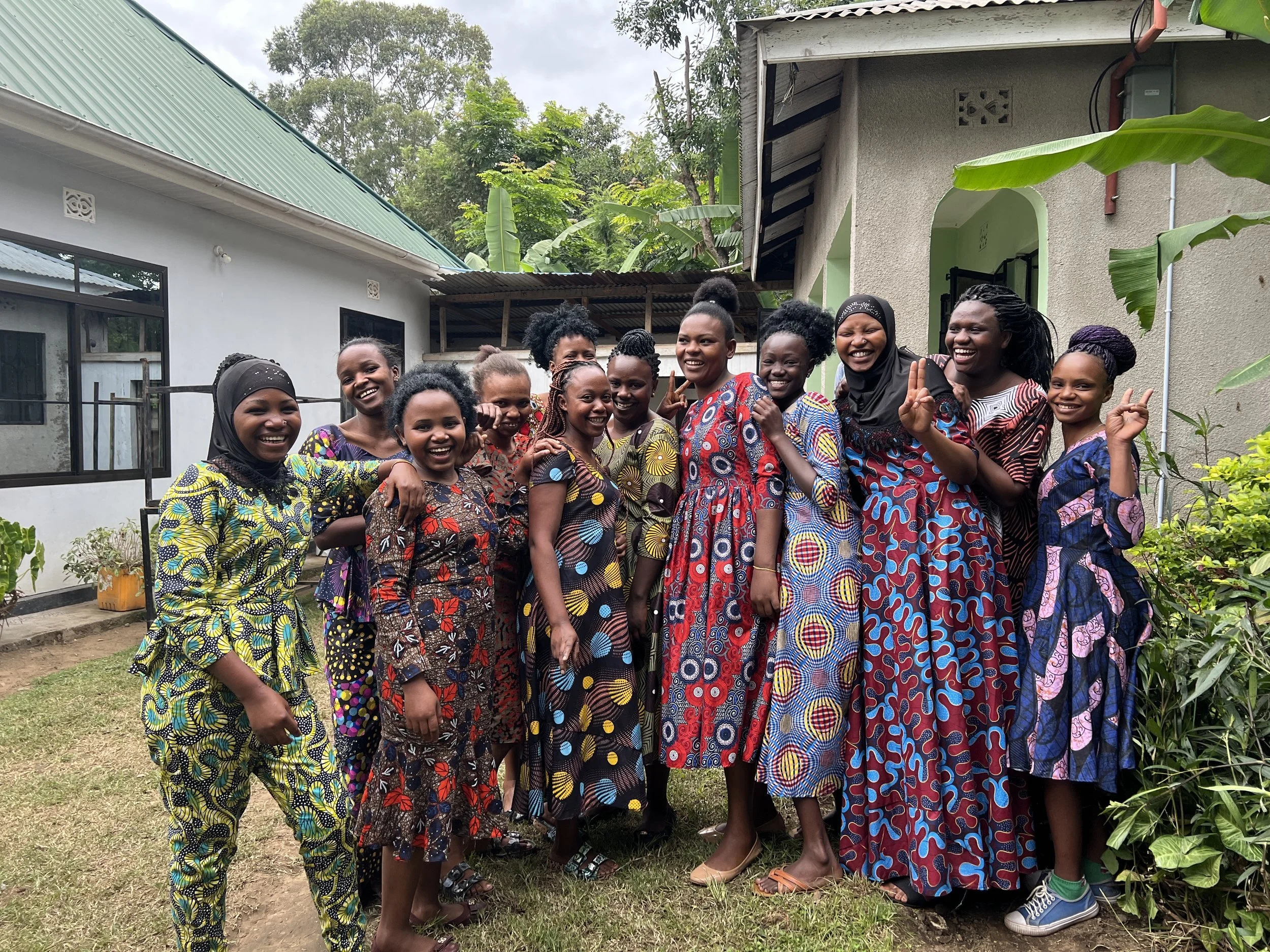
Our vision is to create opportunities for vulnerable Tanzanian women to achieve lasting financial independence.

Nina Imani is Swahili for
‘I have confidence’
and it’s confidence that we aim to ignite within the communities we support.
Our Mission
Our mission is to work alongside grassroots organisations in Tanzania, strengthening their capacity through funding, governance and curriculum support. Together, we create pathways to education, vocational training and sustainable livelihoods, empowering vulnerable women to build brighter, more independent futures.
Our Values
Respect, Empowerment and Independence.
Nina Imani provides essential operational funding to deliver vocational training for vulnerable young women in the Arumeru District in Tanzania.
Since it’s inception in 2020, Nina Imani has partnered with the Inuka Tusonge Foundation (a Tanzanian registered NGO), to deliver programs in culinary and hospitality, hairdressing and beauty, tailoring and computer literacy - complemented by english language, entrepreneurship, health and well being and legal rights.
We work closely with the Tanzanian team to strengthen governance, financial accountability, curriculum quality and organisational capacity. This includes regular financial and operational reporting, budget planning, curriculum review, monitoring of graduate outcomes and support with strategic planning and risk management.
Nina Imani Founder, Dianna Snape, visits the centre every two years at her own expense, ensuring ongoing firsthand oversight of the program. Funding partners have also personally visited the centre, enabling them to see the work and impact of their support firsthand.
Graduates
121 Enrolments & 106 Graduates
Employment
66 Employed & 19 Self-employed
Outcomes | 2020 - 2025
-
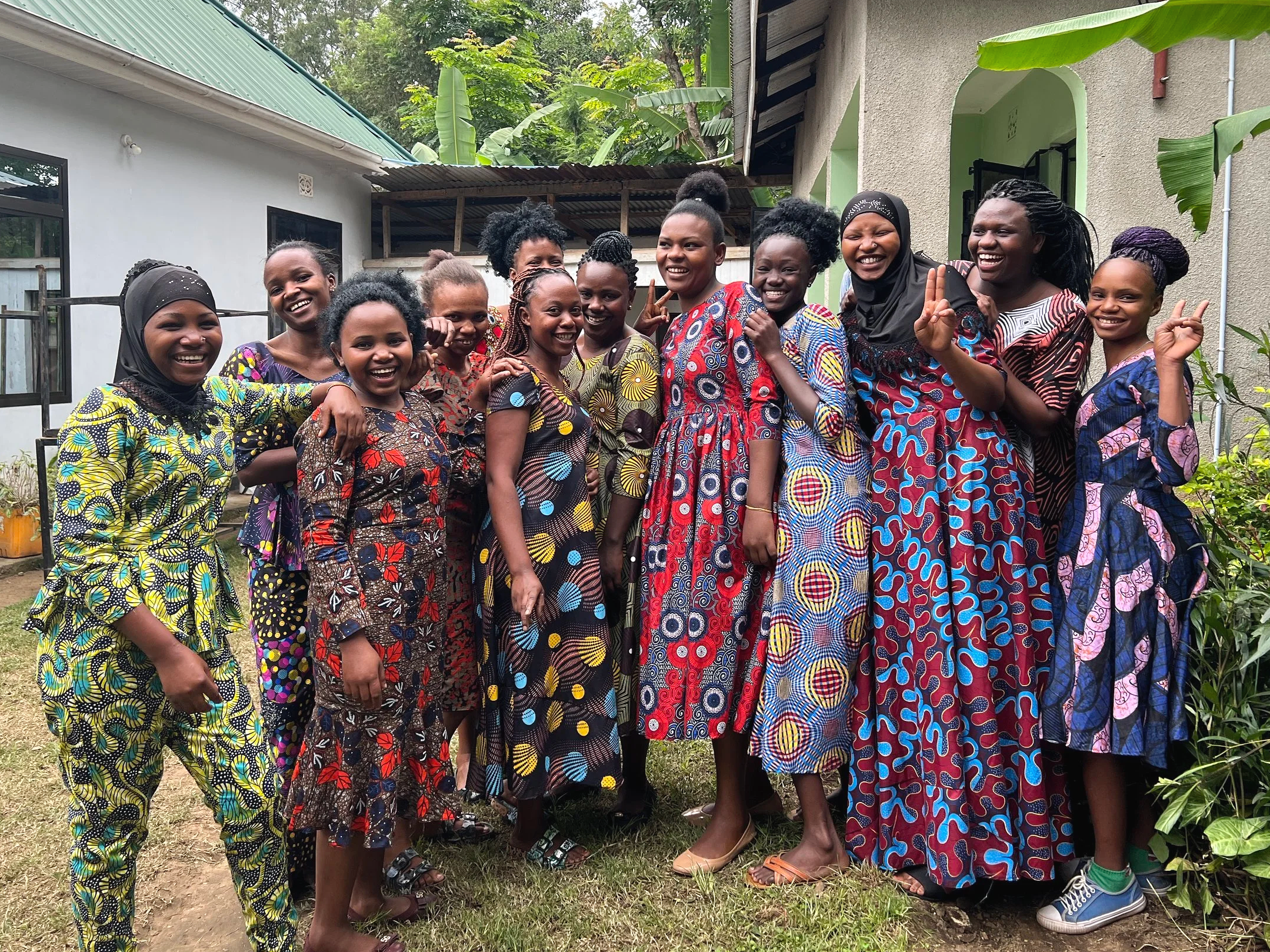
106 Graduates
Since opening in March 2020, Inuka Tusonge has supported 121 young women through vocational training, with 106 graduating.In 2023 the program expanded from 6 to 12 months.
Note: The Inuka Tusonge vocational centre for women opened it’s doors in March 2020 just before the COVID Pandemic forcing the centre to close from April - May 2020.
-

66 Employed
The rate of employment and self-employment among graduates is increasing, reflecting the program’s expansion to 12 months and greater focus on specialised training. The extended program allows students to develop deeper skills and expertise in their chosen discipline, better preparing them for sustainable employment or self-employment.
-
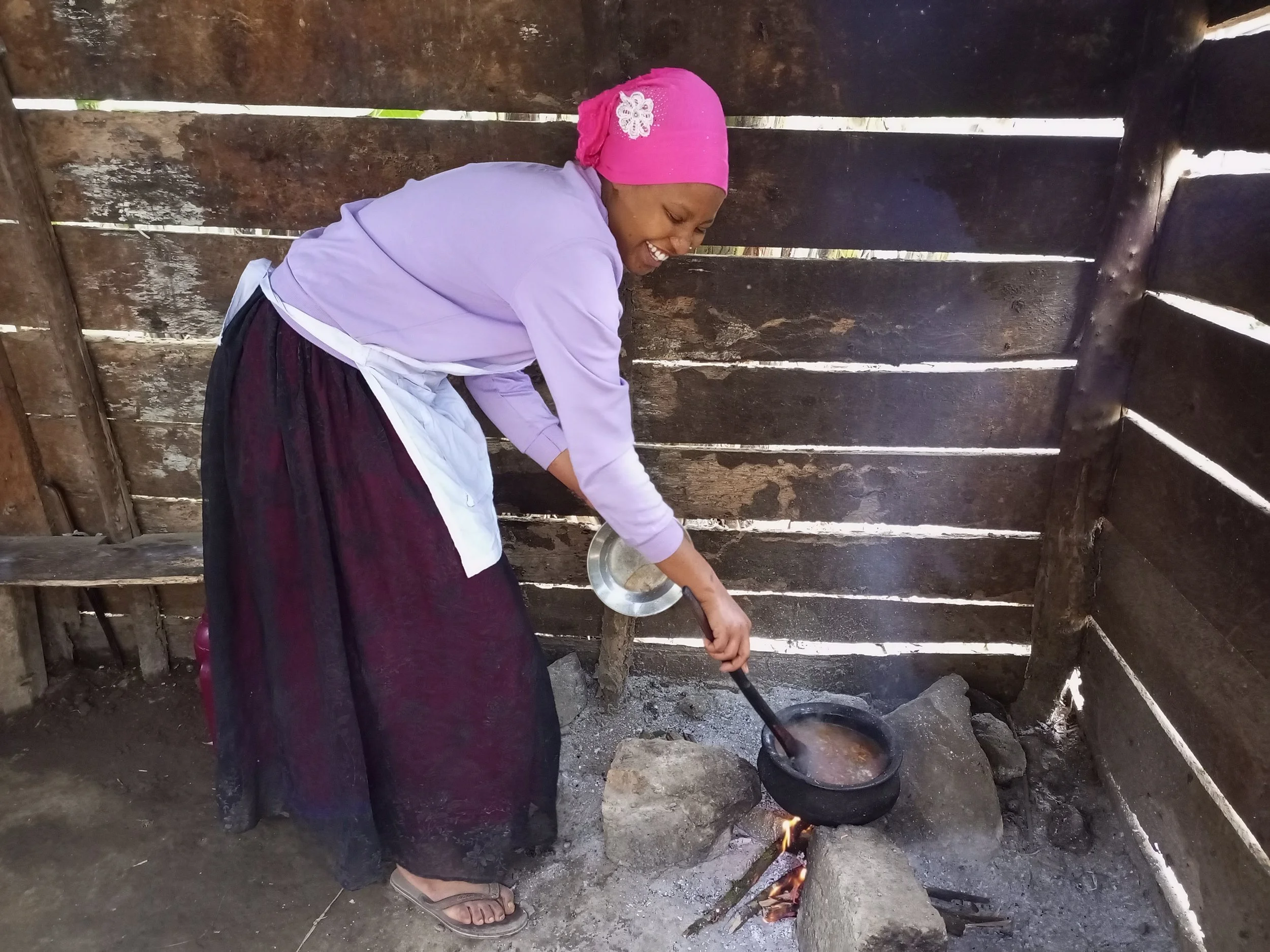
19 Self-employed
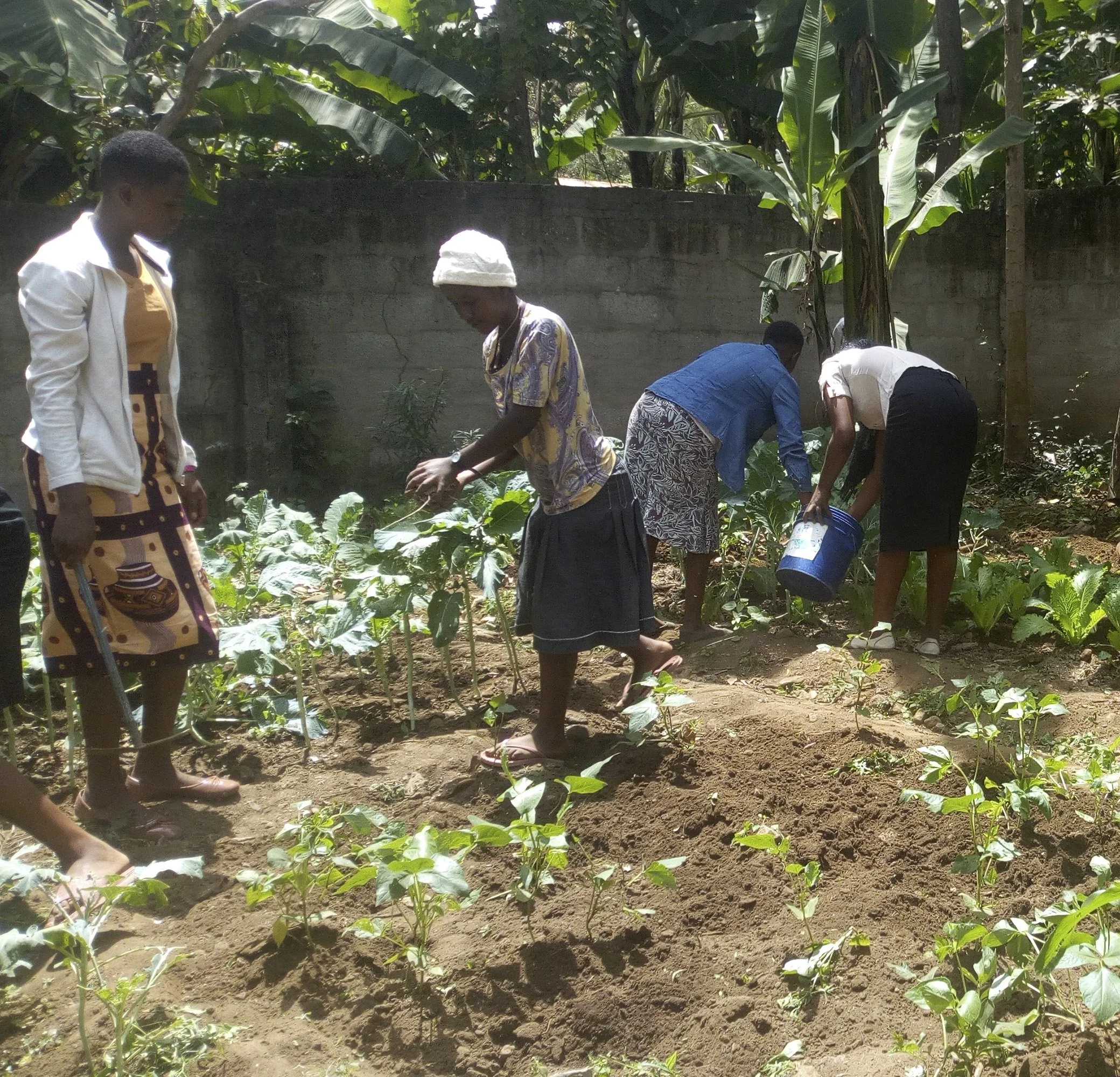
Students have started small businesses in cooking, catering, vegetable & fruit cultivation, stationary supplies, hair braiding and sewing & mending.
-
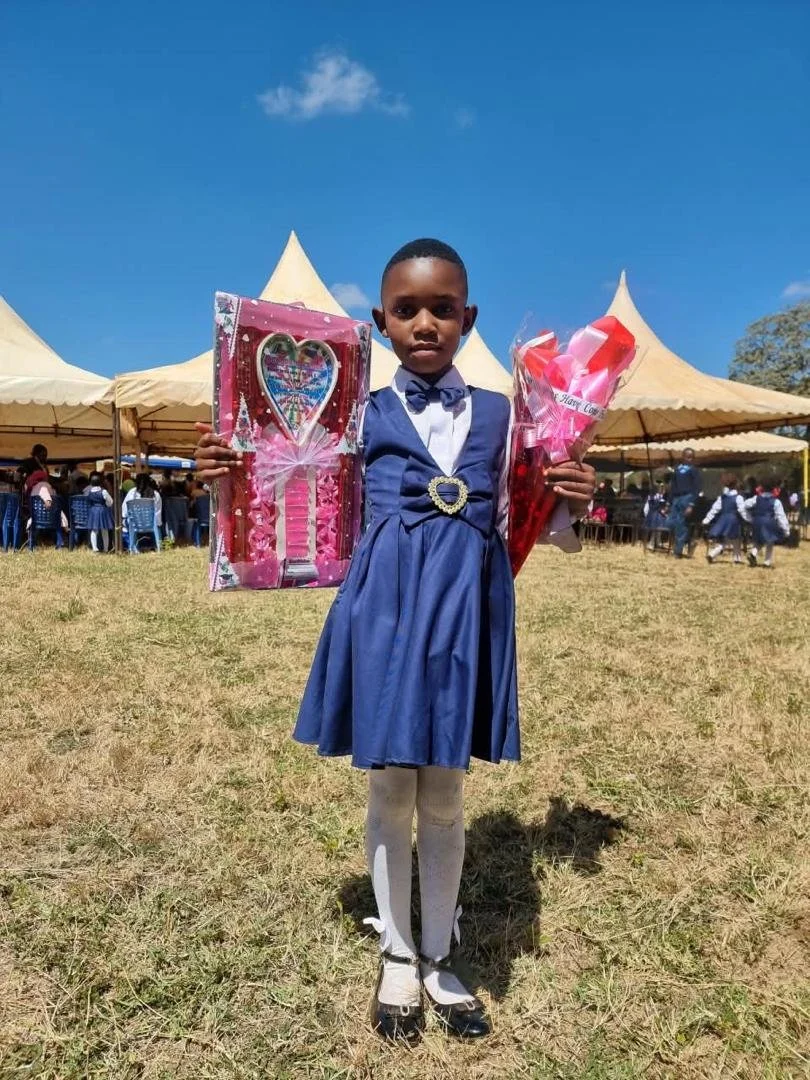
Education Grant (Primary) | 2023 - 2026
In 2023, we awarded our Education Grant to Joackim, a bright young Maasai boy from Nainokanoka village, giving him the opportunity to attend Costigan Primary School in Karatu.
In 2024, we extended our support to Koyanet, a young girl from the same community.
In 2026, we expanded the Education Grant to support Agnes and Samwel, enabling more young people from the community to pursue their education and build brighter futures.
-
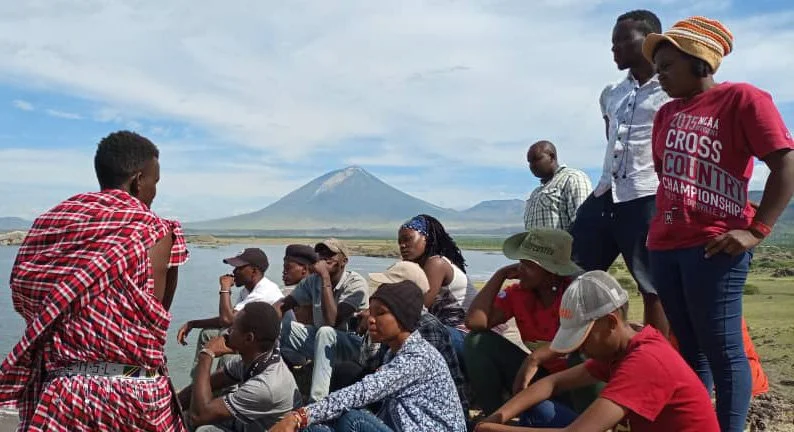
Education Grant (Tertiary) | 2020 - 2021
2 year study - Tour Guiding & Hospitality | First Aid | Driving lessons & Drivers license
Nina Imani supported Lilian with a study grant to undertake;
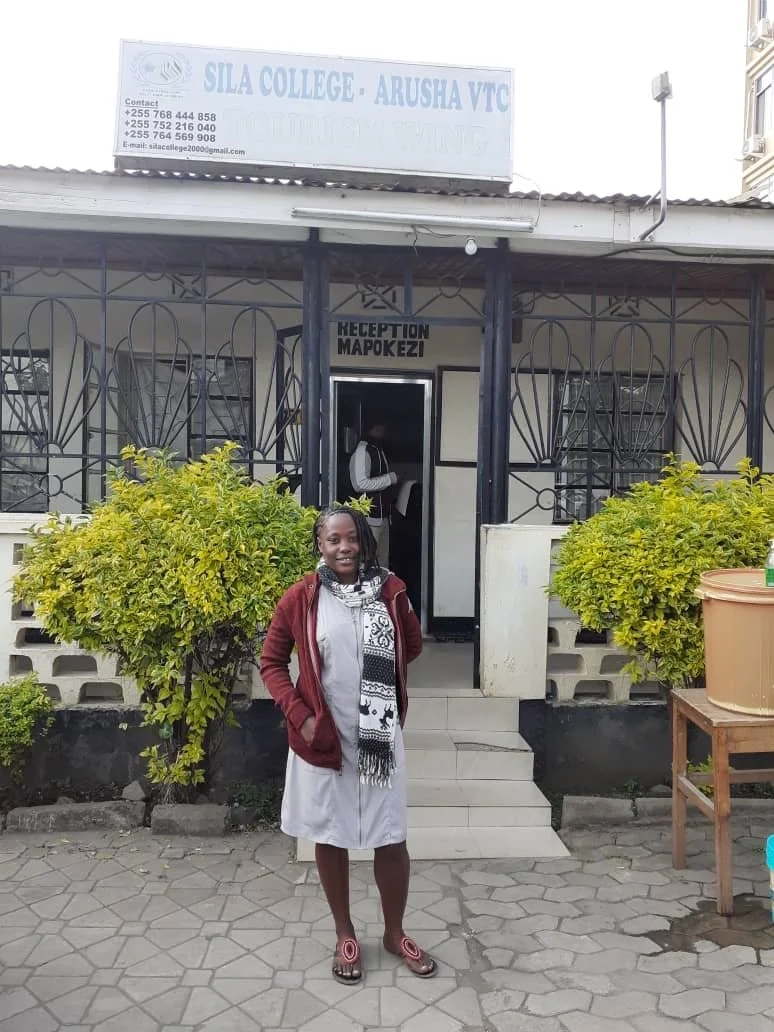
a part-time, 12-month tour guiding course at Sila College in Arusha
a three-month unpaid work placement in the Ngorongoro Conservation Area
a six-month Hotel Management course at SILA College to further expand her employment opportunities in the Arusha region
Driving lessons and drivers license
First Aid Certificate
Lilian successfully completed all courses, obtained her drivers license and secured full-time employment as a Nanny for a Tour Operator.
Volunteer-led. Impact-focused. Every member of our Australian team volunteers their time, helping ensure donations are directed where they matter most.
Nina Imani Ltd is registered with the Australian Charities and Not-for-Profits Commission (ACNC) as a charity supporting overseas communities.
Nina Imani Ltd is endorsed as a Deductible Gift Recipient (DGR) in Australia, meaning all donations are tax deductible for Australian donors.
Founded on 22 November 2019, Nina Imani Ltd was established by three Australian businesswomen with a shared vision of empowering vulnerable Tanzanian women through education, opportunity and economic independence. Nina Imani is led by Dianna Snape, who has family ties with Tanzania and has been volunteering and fundraising for vulnerable communities in Tanzania since 2012.
Nina Imani’s partnership with registered Tanzanian NGO The Inuka Tusonge Foundation, provides funding and governance support for their vocational training centre for vulnerable young women in the Arumeru District. Together, the two organisations provide access to vocational education, mentoring and practical skills that enable them to build financially independent, self-sufficient futures.
Beatrice Lyimo, a founding Director of the Inuka Tusonge Foundation taught Dianna Swahili in 2013 and their friendship, respect and ideals have been shared ever since.
Our Partners
Alika Africa
Alika Africa has been a supporting partner since 2022 donating $50 per safari to help fund the Inuka Tusonge Vocational Training Centre in Tanzania.
Alika Africa Director Stacy Readal has been supporting educational initiatives in Tanzania for over 20 years. Nina Imani director Dianna Snape and Stacy Readal have worked together supporting charities in Tanzania since 2012 and aligning with Nina Imani in funding the Inuka Tusonge Foundation for vulnerable women allows unification of this effort for a shared cause involving support across 3 continents.

The Nadia + Alf Taylor Foundation
The Nadia + Alf Taylor Foundation has been a generous donor and supporter of Nina Imani since our inception. This support was formalised in 2023 into a grant providing essential funds to support the growth of the Inuka Tusonge vocational centre.
The Nadia & Alf Taylor Foundation was established in 2002. Nadia & Alf have always placed tremendous value on fair and equal opportunities for all. It has served as an important tenet in running their business, TNA Solutions Pty Ltd, and has been a guiding principle in all their philanthropic pursuits. The foundation has partnered with 150+ grassroots organisations across 39 countries and has directly impacted the lives of over 20,000 people. We are very proud to be part of their impact.

Our History
-
![group of young women]()
2026 | JAN-MARCH
On 13 January 2026 the centre opened its doors to its largest ever student intake. This year’s cohort is also the most geographically diverse yet, drawing students not only from around Arusha but from Mara, Singida, Kilimanjaro, Kigoma, Ngorongoro and Longido.
Across January and March students have moved from basics into real hands-on work: more than 140 hairdressing and beauty practicals, from natural-hair styling and blow-drys to braiding with extensions; close to 200 baked and cooked items; and more than 50 sewn pieces as they learned to measure, cut and finish bags, wallets, aprons, blouses and skirts.
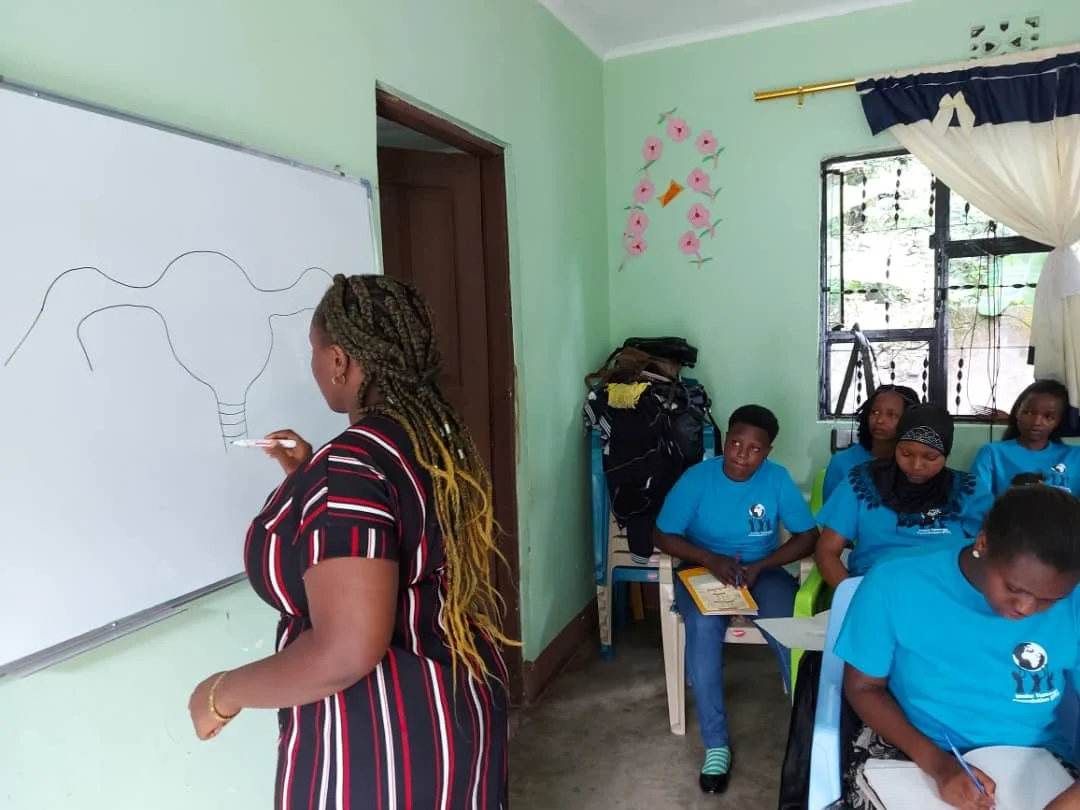
English classes also support their learning, with entrepreneurship, human-rights and reproductive-health sessions planned as the year unfolds. A new automatic gas oven and hand mixers have also joined the baking kitchen, giving the food-production students more to work with.Attendance has been excellent — settling at around 41 students a day with very few absences — and staff already report the young women becoming more confident and independent as their skills grow.
After a short Easter break, the cohort returns to build on these foundations through the heart of the year. Our warm thanks, as always, go to Nina Imani and every supporter standing alongside these students at the very start of their journey. -
![Classroom teacher (reproductive health)]()
2025 | JUL-DEC
JULY - AUG
The second half of the year was where learning became doing. After months in the classroom building skills in cooking, hairdressing and tailoring — alongside English, customer care, marketing, reproductive health and more — Inuka Tusonge students were ready for the next step: a three-month field placement that put everything into practice.
Meanwhile in Australia, our first-ever fundraising dinner was held in August bringing in over $9000, a massive thank you to all involved!
SEP-NOV
From September to November, Inuka Tusonge students were placed in local hair salons, hotels and restaurants across the Arusha and Tengeru area, putting their skills to work in real salon and kitchen environments while Inuka Tusonge staff visited regularly to check on their progress and welfare; Nina Imani funded their transport.
Supervisors’ feedback was glowing: students were punctual, eager to learn, worked well in teams and, learned to confidently handle clients and tasks with growing independence. The tailoring students stayed at the centre with a new specialist teacher, mastering gown design, accurate measurement and pattern drafting — and sewing their own graduation outfits!
A generous donation from Helen Norrie brought the new outdoor kitchen to life — fully paved, roofed and plumbed. This turned what was once a muddy, neglected outdoor area that tracked dirt into the house with every step into a vibrant learning environment and extending the school's capacity to train students free from the elements.
Visitors, volunteers and supporters — among them the Peignoux family (who taught the students to make friendship bracelets), friends from Adventure Africa.
Founding Director Dianna Snape spent a dedicated 2 weeks at the centre working with the Inuka Tusonge Directors on grant applications, budgeting and planning. Dianna delivered a donated laptop from our supporter Martin Heng to facilitate efficient office administration, record keeping and communication.
On 18 December the graduates took part in a joyful ceremony of song and dance; the guest of honour, a lecturer from a local university, presented certificates, and the top student in each discipline was recognised with equipment to help launch her own small business. James Elsworth of Twende Innovation Centre, a long-time friend of the centre, attended and donated kitchen equipment for the incoming students, and a Christmas gathering the next day.We wrapped up the year with our annual hiking fundraiser in November. 24 amazing supporters meandered along the magnificent Great Ocean Road raising more than $24,000. An incredible collective effort.
-
![Three young women preparing food]()
2025 | JAN-JUNE
JAN
The centre reopened on 6 January after the Christmas break and welcomed this year’s intake, with classes beginning across Hair & Beauty, Cooking & Hospitality and Tailoring. A new water tank was installed, and a visiting supporter from the United States, Sarah Perkins, arrived with her family bringing materials for the students to sew their own reusable sanitary pads — a thoughtful contribution to the young women’s dignity and health.
FEB - MAR
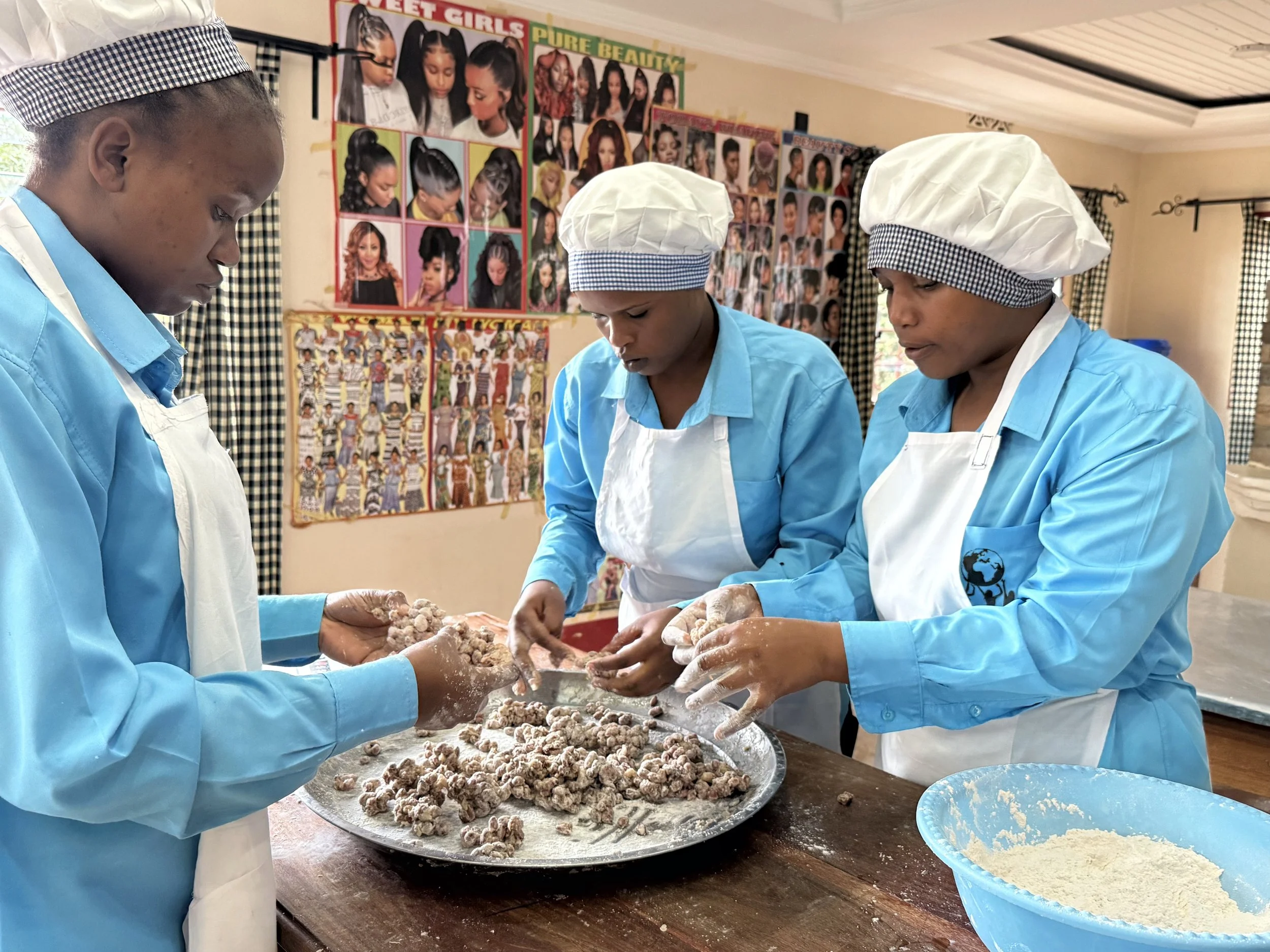
Cooking & hospitality students moved from knife skills to chapati, mandazi and samosas, then doughnuts and bread rolls, while tailoring students sewed several hundred reusable sanitary pads. English classes began, a learning trip took students to a supermarket and a farmers’ market, and the group visited an International Women’s Day exhibition in Arusha. Visiting facilitators led sessions on mental health, reproductive health and nutrition, and an expert from the World Vegetable Centre taught organic vegetable growing, helping the students prepare their own nursery.
APR - MAY
After a short mid-April break, skills grew quickly. Beauty students progressed to make-up, relaxers, manicures, pedicures, wigs and natural dreadlocks and visited local cosmetic shops, while the kitchen filled with pancakes, muffins, pizza, croissants, Danish pastries, breads and cakes, helped along by a new mini-oven. In tailoring the students took on shirts, gowns, trousers and wallets.
JUN
Entrepreneurship classes began, and tailoring expanded to bags, hats and aprons. Volunteers Ann and Helen spent a week at the centre teaching knitting and baking and joining every class, and friends from Women Adventure Africa visited to see the students’ work. As the half-year closed, this year’s students were preparing for their three-month field placements, with grateful thanks to everyone whose generosity makes the centre possible.
-
![A group of people posing outdoors in a grassy field with trees and mountains in the background, some wearing hats and sunglasses.]()
2024 | JUL - DEC
JUL
In July, Corporate Sponsor Alika Africa director and donor Stacy Readal visited Inuka Tusonge with her two daughters for the first time since the centre moved to its new, larger premises.
In August, Deborah, a partner from Women Adventure Africa, visited Inuka Tusonge for the first time and kindly donated a sewing machine. We are grateful for the visitors who see firsthand the value of the centre and provide complementary suppport with equipment and teaching materials such as zips, beauty products etc.
AUG
The Inuka Tusonge students enhanced their skills from July to September in preparation for their Field Study. Hair & Beauty students focused on more advanced techniques, including blow-drying and makeup application.
Cooking and hospitality students broadened their menu to include Western hotel-style dishes like omelettes, burgers, and pasta, while tailoring students honed their craft by creating off-the-shoulder gowns.
SEPT - NOVStudents completed 3 months of field studies in supportive working environments to hone their skills and develop an understanding of workplace practices and expectations. Workplaces included hotels, restaurants, hairdressing salons and tailors.
Inuka Tusonge teaching staff visited students throughout their placements to ensure they were being treated fairly and developing new skills.
Nina Imani supported the students by funding their transport costs to/from their workplaces.
Students reported a huge boost to their skills and self-confidence at the end of their field placement.
DEC
Inuka Tusonge’s graduation party held on 12th of December welcomed a number of distinguished guests and visitors, who were able to see firsthand the skills the students’ learned and developed throughout the year. They purchased goods made by the students such as food and sewn wallets.
The students celebrated with song and dance and were presented awards and graduation certificates by the guest of honour, the Principal of Arusha Teachers' College. Top students in each discipline were awarded equipment to support them start their own businesses.
Christmas celebrations were held, with each student receiving gifts of rice, sugar and cooking oil to support their families.
-
![2024 students]()
2024 | JAN - JUNE
JAN
The Inuka Tusonge vocational centre resumed operations on the 8th of January, welcoming 20 young women chosen for the 2024 education programs. Building on the success of 2023, the extension of the curriculum from 6 to 12 months continued in 2024, offering students additional time to enhance their skills, refine their abilities, and engage in a field study placement program that provides valuable workplace experience and further skill development.
In Cooking and Hospitality classes, students gained essential knowledge in food safety and hygiene, while exploring a variety of ingredients. They also honed their skills in baking breads, doughnuts, chapati, and biscuits.
In the Hair and Beauty classes, students learned techniques in washing, braiding, henna application, weaving, drying, and styling.
The Sewing and Tailoring program allowed students to develop their abilities in creating skirts, pants, shirts, and dresses.
Supplementary courses such as English, entrepreneurship education, reproductive health, mental health education and business skills provide essential life skills to compliment the other disciplines taught.
MAR
Bestleader Kaserwa was invited to deliver an inspirational talk for International Women's Day on March 8th. She shared her journey of overcoming life's challenges and now supports her family through selling spices and raising poultry. "Wherever you find opportunity, use it wisely and continue the struggle to transform your life," she encouraged.
MAYThe centre warmly welcomed generous donors Anne Pike & John Roberts (Roberts Pike Foundation) as part of a contingent visiting Tanzania with the Australian International Development Network. They were able to see the students working in their classes, tour the centre, enjoy tea with the staff and students, and learn about future dreams and plans.
The students participated in a field trip to the food markets to learn more about different cuts of fish, meat and poultry and varieties of herbs and vegetables.
JUN
In June, former student Neema visited to express her gratitude and contribute a donation of learning materials. Since graduating last year, she and her friend have started a small hairdressing business, and she offered inspiring words of encouragement to the students. Additionally, in June, Inuka Tusonge was able to purchase three sewing machines and a standing hair dryer.
-
![Grampians Hikers]()
2023 | JUL - DEC
JULY
Trivia Night raised more than $6000! Extra special thanks to Newport Surf Club, Kathy & Alex’s family and friends, and all the businesses who donated.
July 28: Settling into the new Inuka Tusonge centre premises! A new fridge was purchased, and food and soft-drink for an opening celebration was donated by our visitor, Hanbin Cho, from Korea. He was introduced to Inuka Tusonge by Alika Afrika.
SEPT-OCT
Student field research placements (observation and mentoring, maximum 25% workload of a full-time employee), with report due at the end of the two-month period. Students were placed in their preference of hotel/resort, bakery, or hair/beauty salon, with a total of 14 placements across 8 host employers. They gained valuable practical learning to bolster their knowledge and confidence and this helped them gain full-time employment after graduating.
The Keniger family visited from Cairns, Australia for their first family safari and made a generous donation to support the ongoing work they saw on their visit to the Inuka Tusonge centre.
NOV
On Saturday 11 November 2023, 16 amazing supporters embarked on an overnight hike of the 16km Barigar Trail in the Grampians National Park, raising over $11,000 towards our programmes in Tanzania. A special thank you to everyone!
Inuka Tusonge students did their practical and theory exams.
DEC
Inuka Tusonge purchased a new corn tank!
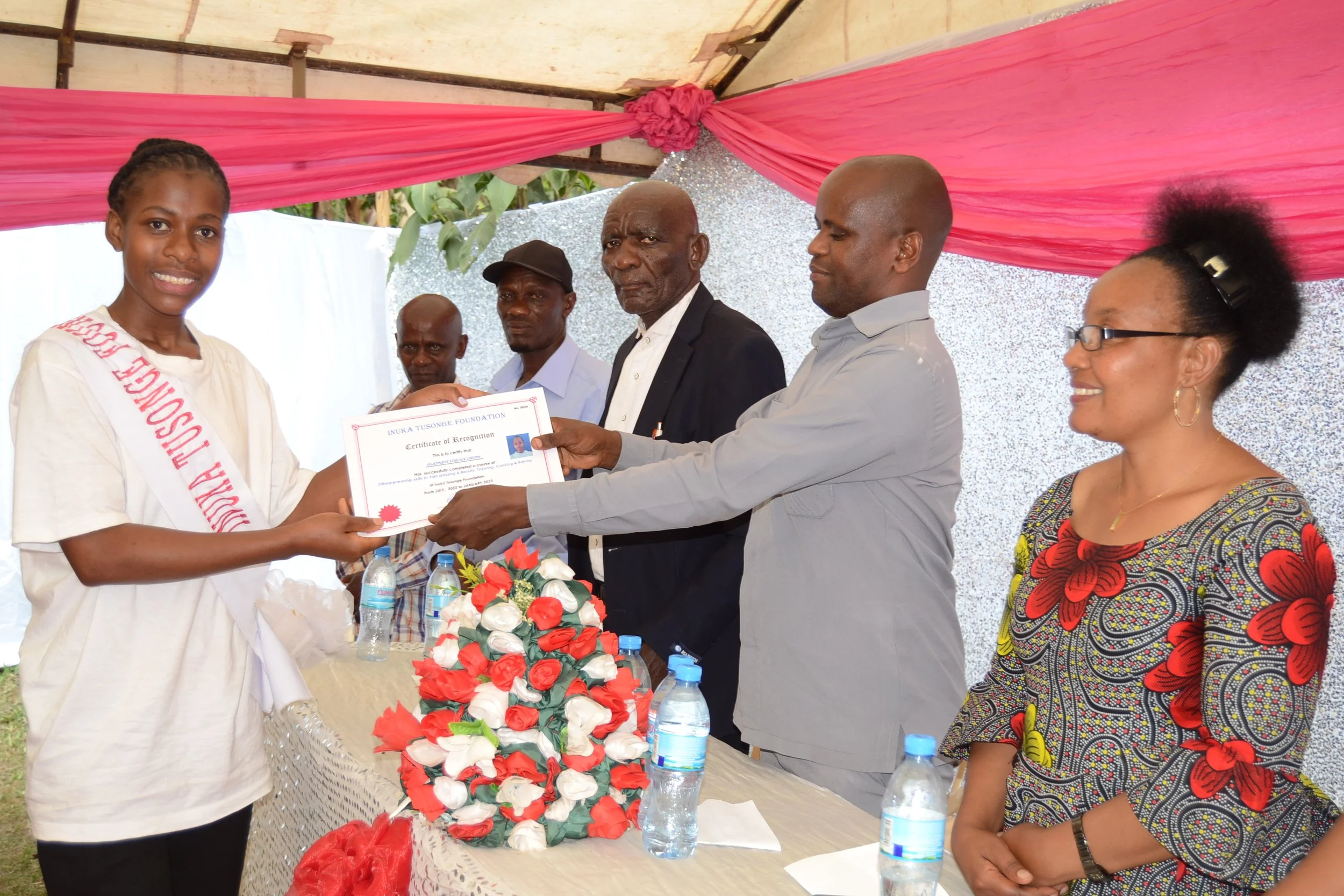
The graduation ceremony on 14th of December 2023 awarded 14 students their certificates of recognition. Students designed and made their own dresses, and the ceremony was a joyous occasion enriched by the support of family and friends who bought products the girls made with profits used to buy a sack of maize for new enrolments.
The students and staff received a Christmas gift of 2.5kg of rice 2kg of sugar and 1litre of cooking oil.
Thank you to everyone for all their support throughout 2023.
-
![Inuka Tusonge graduation ceremony]()
2023 | JAN - JUNE
JAN
Graduation ceremony - attended by Honourable Ward councillor of Maji Ya Chai, on behalf of ward councillor of Seela Sing'isi. Awards, fashion show of self-designed outfits and braided hairstyles, and products sold to raise funds.
JAN-MARCH
New students visited food markets and stores to learn more about vegetables such as cauliflower, zucchini, leeks, radishes, and broccoli, and different cuts of meat and fish.
Australian supporter Cindy James visited to swap recipes and take part in a hair and beauty class. Supporter Marisa visited with friend Dale and enjoyed a lovely meal. Both visitors brought gifts which were very much appreciated.
Through a local youth NGO and SDDO (Social Development Driven Organisation), students learned about business skills and how to make liquid detergent they can sell for a profit.
Dr Rehema from Tengeru Hospital presented important reproductive health information.
MAY
Students visited SIDO (the Small Industries Development Organization of Tanzania) to learn about creating businesses based on products such as sugar cane juice, peanut butter, or ground spices.
JUNE
Visitors Stephanie, Chihaki, and Angelica from America Through Women Adventures Africa Company donated money to buy a refrigerator, and bring other gifts for the students.
Dr Simba from Tengeru Hospital provided information and support to help students build confidence and coping skills.
We rented a larger property in Tengeru with space for a garden, close to transport.
-
![vegetable garden at Inuka Tusonge]()
2022 | JUL - DEC
JULY
A visit to the World Vegetable Centre - Southern and Eastern Africa (learn more about growing local traditional vegetables for family nutrition and as a cash crop).
Graduation ceremony - attended by more than 80 guests including the Honourable District Commissioner of Arumeru. Two graduates were sponsored for further college training. Nina Imani represented by Dianna Snape and her son Jeremiah Urio. Students sell products to raise funds for the centre.
AUG
Graduation shop opens - drought-related closure of local nearby brickworks created unexpected problems. However graduates were able to find work in a local dressmaking business. Some created their own small businesses such as selling snacks and sewn goods.
SEPT
Dr Rehema from Tengeru Hospital presented a women’s health and family planning seminar.
Inuka Tusonge welcomed volunteers Stefano and Reina with a Kiswahili lesson, a delicious meal, and a demonstration of Kanga style dressing.
OCT
A new student cohort visited the World Vegetable Centre – Southern and Eastern Africa, to learn about seed selection, natural pest control, grafting plants and more.
NOV
Our Wilson’s Prom fundraising hike raised more than $8000 thanks to our wonderful supporters!
The Nadia & Alf Taylor Foundation delegation visited Inuka Tusonge to observe programs and activities, discuss opportunities for a future daycare centre, and make a very generous donation.
Tengeru Hospital’s Dr Simba’s presentations on psychology and mental health helped students understand the impacts of trauma and poverty and how to build coping skills and resilience.
Inuka Tusonge director Beatrice Lyimo attended a two-day seminar for local NGOs on project management and funding proposals.
NOV-DEC
Students visited the MS-TCDC (Training Centre for Development Cooperation) to build knowledge and skills in a commercial kitchen and hotel environment.
-
![Group of women and girls standing outdoors in front of a building, holding ribbons and bags, smiling at the camera.]()
2022 | MAY - JUNE
MAY
With funding from Nina Imani a freestanding hairdryer and shelf for kitchen utensils were purchased.
The Directors found a shop to rent so that the graduates can be transitioned and supported in how to start and run a small business once they complete their 6 months of vocational training.
Preparations began for the graduation ceremony in July.The students shared ideas for items they can sew and sell to help the centre begin sustainable practice and work towards generating income to support the expenses of the centre. They began sewing wallets and bags.
JUNE
Students prepared and sat their practical exams putting to the test all they learnt over the past 6 months.
Work began preparing the premises for the graduate shop with a repaint and preparations continued for the graduation party scheduled for 2/7.Nina Imani Director Kathy Hofmann and her family organised and ran a Trivia Night raising over $10,000 AUD for Nina Imani initiatives. A HUGE thank you the Newport Surf Life Saving Club who contributed the fantastic premises and the Newport business community who donated amazing items for the silent auction.
Alika Africa joined Nina Imani as a supporter and project partner for the Inuka Tusonge vocational centre and donated $4000 USD toward the operating expenses and graduates shop.
-
![Group of nine women wearing matching blue T-shirts, posing outdoors with their hands raised in the air, surrounded by greenery.]()
2022 | JAN - APR
JAN
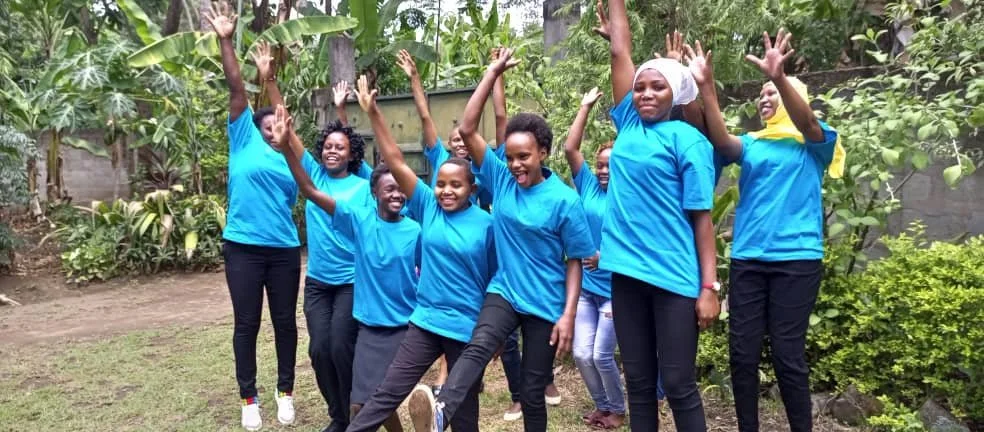
The Inuka Tusonge Foundation vocational centre began their third enrolment of students on January 10 with 14 young women from the Arumeru district. All students were provided with reusable period underwear made by a local Tanzanian small business woman.
Dr Rehema presented at the start of the course to teach the girls about sexual and reproductive health.
Through our collaboration with safari operator Alika Africa, Inuka Tusonge graduate Diana hiked as a porter up Mt Kilimanjaro on the Machame route and successfully completed the 7 day hike as part of a supportive team of guides and porters.
FEB
KPAP kindly lent their support to the students at Inuka Tusonge by sending two experienced female porters to give a talk about the challenges and rewards of being a female porter on Mt Kilimanjaro, Africa’s highest peak. The session was a huge success leaving the girls inspired and motivated.
MAR
The students worked hard developing their skills tailoring 27 items, cooking and baking 72 dishes and weaving and braiding 29 hairstyles. They baked and decorated a cake for Director Beatrice’s birthday and went on an excursion to see the operation of a commercial kitchen. A professional photographer was engaged for a photo shoot where the students were encouraged to dress up and celebrate themselves. This special shoot is arranged for all the students to help them value and celebrate themselves at the beginning of each enrolment.
Lilian started her driving lessons this month to further advance her skills for Tour Guiding.
APR
Students refined their skills learning to sew different styles of dresses and cook with pasta. The Tanzanian electricity company TANESCO attended in April to fix the electricity issues at the centre and the hairdryers can now be used without issue. Lilian sat her final exams for her Hotel Management Course at SILA College.
-
![]()
2021 | OCT - DEC
OCT
With funding from Nina Imani, the Inuka Tusonge Foundation purchased a pin board for notices.
The students went on an excursion to attend an exhibition of small collectives, showcasing female entrepreneurs. They saw demonstrations on how to print clothes, make labels and baskets, Maasai jewellery as well as making shampoo and soap.
The excursion was a great motivator and example for the girls as to what is possible. They were able to network and exchange numbers and even got a glimpse of Tanzania’s first female President, Samia Suluhu Hassan.
The graduation party was held for these 10 amazing, resilient young women who successfully attended and completed their vocational training. Guests included Shedrack Joshua from the Red Cross, Ahadi Msangi (registrar of NGO’s) Pastor Lomayani and Judica Nsanya (Chairman of the village).
NOV
On November 20, 15 wonderful humans joined us on an overnight hike of Mt Bogong for Nina Imani’s annual fundraiser. The hike was a magical experience and enjoyed by all with an outstanding outcome raising over $17,000.Inuka Tusonge chef Prisca, who has been with the centre since its inception, left to pursue a new opportunity in the Manyara Region. We wish Prisca well and are very thankful for all her hard work at the centre sharing her knowledge and skills. Inuka Tusonge welcomes Harrison Mbare who has worked at Ndanda Referral Hospital Canteen as Supervisor and Moshono Social Hall as Assistant Chief.
DEC
With funding from Nina Imani, the Inuka Tusonge Foundation purchased an iron, bin, 160 litre plastic storage and an aluminium sheet cover for the cooking table.Thanks to a generous donation from Brett Boardman, the students were able to enjoy a Christmas Party. There was music and dance and a wonderful celebration was had by all.
-
![A group of people, mostly women, gathered outdoors under a canopy, engaged in what appears to be a community event or distribution of supplies, with some holding bottles of yellow liquid.]()
2021 | AUG - SEPT
AUG
With funding from Nina Imani, the Inuka Tusonge foundation purchased more plates, spoons and saucepans for the cooking course.Dr Rehema ran a workshop at Inuka Tusonge teaching reproductive health, family planning and personal hygiene.
SEPT
With funding from Nina Imani, the Inuka Tusonge Foundation purchased an office table and shelves for files.Inuka Tusonge was invited by TARI (Tanzanian Agricultural Research Institute) to host a 2 day Symposium teaching agricultural bean farming practices for both gardens and larger farms, covering seed choice, storage and nutritious meals. The Symposium was complimented by a small entrepreneur mentorship session covering establishing a small business on little captial, regulations, food handling and expiry dates and packaging. The students prepared food for the guest presenters.
-
![A group of people in orange shirts gather around a table at an outdoor event, serving and receiving food including bread and tea, with a garden and other attendees in the background.]()
2021 | MAY-JULY
MAY
With funding from Nina Imani Ltd, the Inuka Tusonge Foundation purchased 2 additional sewing machines.With the support of our Monash Interns, Nina Imani lodged their DGR (Deductible Gift Recipient) application with the ATO (Australian Taxation Office) and formalised Child Protection policies.
JUNE
With funding from Nina Imani Ltd, the Inuka Tusonge Foundation purchased an office table and note boards.Sakina, a nutritionist, presented to the students about diet and nutrition.
Lilian (the recipient of the Nina Imani Study Grant) completed her 3-month work placement in the Ngorongoro Conservation Area.Description goes here
JULY
With funding from Nina Imani, the Inuka Tusonge Foundation purchased a hair drier, mirror and rollers for the hairdressing course.Lilian (the recipient of the Nina Imani Study Grant) returned to present to the Inuka Tusonge students about completing her study and her work placement. She shared the challenges she faced, the lessons she learned and how honesty and trustworthiness have guided her. She also talked about the friends she made and the community she built through her study, as well as the amazing National Parks she visited. Her talk built the girls confidence and gave them hope in overcoming their own personal challenges.
-
![Two people wearing aprons are holding pink cakes decorated with multicolored sprinkles. One person is wearing an orange shirt, and the other is wearing a dark sweater with green stripes.]()
2021 | JAN - APR
JANUARY
With on-going funding from Nina Imani, The Inuka Tusonge foundation purchased 2 sewing machines, plastic chairs, a safe, a small gas stove, a whiteboard and more kitchen utensils, as well as supporting ongoing teaching salaries.FEBRUARY
Lilian (the recipient of the Nina Imani Study Grant) presented to the Inuka Tusonge vocational centre students speaking about her life and how she has faced challenges of poverty and pursued her dreams and goals. Her talk motivated and inspired the girls.MARCH
5 students graduated from Inuka Tusonge's first vocational course and a the second course began with 10 students enrolled.APRIL
With funding from Nina Imani, the Inuka Tusonge Foundation purchased a desktop computer.Nina Imani and the Inuka Tusonge Foundation signed a partnership agreement and formalised regular monthly reporting and lodgement of timesheets and bank statements.
Lilian (the recipient of the Nina Imani Study Grant) commenced her 3-month work placement in the Ngorongoro Conservation Area.
-
![Children in orange shirts and white aprons and chef hats making dough in a kitchen classroom.]()
2020 | APR - DEC
APRIL
The Inuka Tusonge vocational centre closed due to government COVID restrictions.
JULY
The Inuka Tusonge vocational centre re-opened.SEPTEMBER
Lilian successfully passed her first mid-year exams at SILA College.NOVEMBER
Nina Imani Ltd made its first donation to the Inuka Tusonge Foundation funding the purchase of a mini oven, learning tables and baking utensils. This donation also funded ongoing teaching salaries and rent.DECEMBER
Nina Imani appointed its first intern as part of the Monash University's Arts Work Integrated Learning Program and provided further funding for the Inuka Tusonge Foundation. -
![A young girl standing in front of a college building entrance with a sign that reads 'Sila College - Arusha VTC.' She is smiling, wearing a light-colored dress, a maroon jacket, a black and white scarf, and sandals. There are two bushes on either side of her and a staircase leading to the reception area.]()
2020 | JAN - MAR
JANUARY
Nina Imani’s first project began with a study grant for Lilian Kagaruki who was unable to complete her education due to the death of her father. Lilian’s dream was to study Tour Guiding. We asked her to research the course, including budgeting and timetabling to enable her to demonstrate she could manage study while still supporting herself as a ‘Dada’ for an Australian family living in Arusha.By providing funding for tuition, safe transport and learning materials Nina Imani was able to support Lilian to undertake a 12-month tour guiding course at SILA College in Arusha.
The all female board of directors comprising Beatrice, Gudila and Levina self funded and registered The Inuka Tusonge Foundation as an NGO in Tanzania.
MARCH
The Inuka Tusonge Foundation signed a 6-month lease, purchased a charcoal oven and kitchen utensils/supplies and opened the vocational centre with 5 students enrolled, self-funded by a loan from a local women's association, local fundraising and financial support from Inuka Tusonge's directors. -
![Charity registered emblem with a stylized ribbon inside a circular border, displaying the website amc.gov.au/charityregister]()
2019
AUGUST
The seeds of Nina Imani were planted through a friendship that began in Tanzania in 2012. While learning Swahili, Dianna Snape met her teacher, Beatrice Lyimo. Over the years their relationship grew into one founded on mutual respect, shared values and a common belief in the power of education to transform lives.
In 2018 Beatrice approached Dianna with a vision: to establish a vocational training centre for vulnerable young women in Tanzania. The proposed centre would equip students with practical skills in tailoring, baking, culinary skills and hairdressing, alongside entrepreneurship, financial literacy and essential life skills, empowering them to build sustainable futures for themselves and their families.Beatrice, a Swahili language teacher and graduate of the University of Arusha with a Bachelor of Education (English major), is also a devoted mother of two. Her deep understanding of the challenges facing young women in her community, combined with her passion for education, inspired a vision that resonated strongly with Dianna.
Dianna shared the proposal with fellow Nina Imani founders, Kathy and Dianne. Together they recognised that Beatrice's vision aligned perfectly with their own values and aspirations. United by a shared commitment to breaking the cycle of poverty through education, they resolved to support the establishment of the Inuka Tusonge Vocational Centre, creating opportunities for young women to gain financial independence, confidence and hope for the future.
DECEMBER
Thanks to the generous support of Kathy and Alex Hofmann, Nina Imani was able to take its first formal steps towards becoming a registered charity. Castle Legal was engaged to advise on the charity's establishment and governance framework, resulting in Nina Imani Ltd being incorporated as a public company and registered with the Australian Charities and Not-for-profits Commission (ACNC) as an overseas aid organisation.
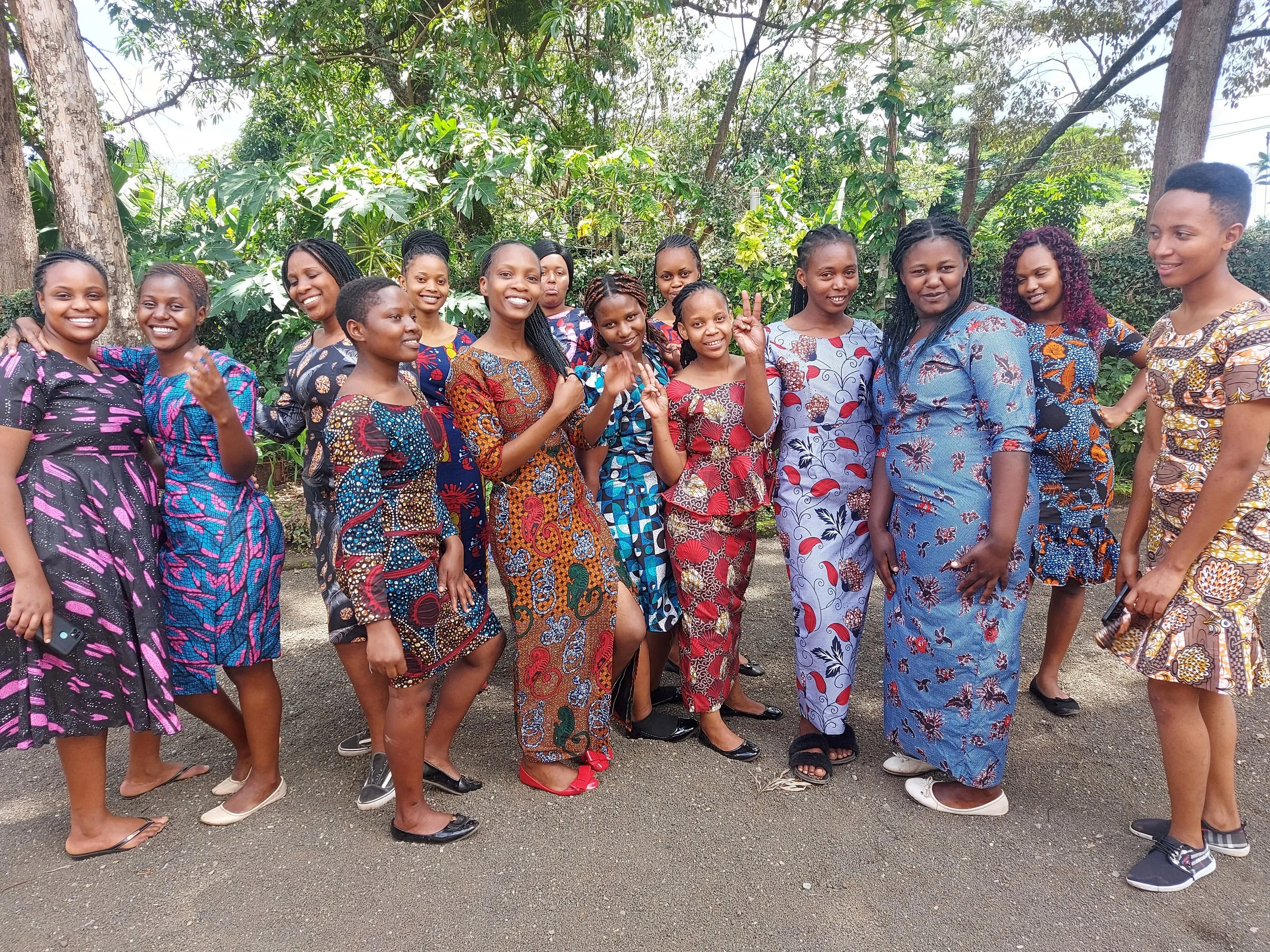






TANZANIA
-
Geography
The United Republic of Tanzania is the largest country in East Africa and includes the islands of Zanzibar, Pemba and Mafia. It is home to Mount Kilamanjaro, the tallest mountain in Africa.
It is bordered by Kenya and Uganda to the north, Rwanda, Burundi and the Democratic Republic of the Congo to the west, and Zambia, Malawi and Mozambique to the south.
-
Population
Tanzania’s population is estimated to have reached 60 million. 37.0 % of the population is urban and life expectancy is 64 for a male and 68 for a female.
-
History
Tanzania is a result of the unification of Tanganyika (the mainland) and the Zanzibar islands. Tanganyika and Zanzibar united on 26th April 1964, forming the United Republic of Tanzania. Tanganyika became independent from the British on December 1961 and Zanzibar became free through a revolution on 12th January 1964.
-
People
Tanzania boasts over 130 ethnic groups, all with their own languages and cultural traditions.
In the early first Millennium CE, trade with Arabia and Persia made the East African coast economically strong. As a result Islam was introduced and due to the Arab-centric doctrine of Islam, some Arabic influences entered the language – resulting in the emergence of the Kiswahili language.
-
Language
Kiswahili is the national language of Tanzania.
Kiswahili is one of the thousands of Bantu languages that evolved as a result of the thriving trade with Arabs, Persians and Indians. Today’s Kiswahili language is coloured with influence from Arabic, Indian and European languages, but a majority of it remains Bantu.
-
Government
Tanzania has a president, who is the head of the country. Presidents are elected through a General Election, held once every five years. Zanzibar has its own President, assembly and laws.
-
Religion
Approximately 63 percent of the population identifies as Christian, 34 percent as Muslim, and 5 percent practice other religions.